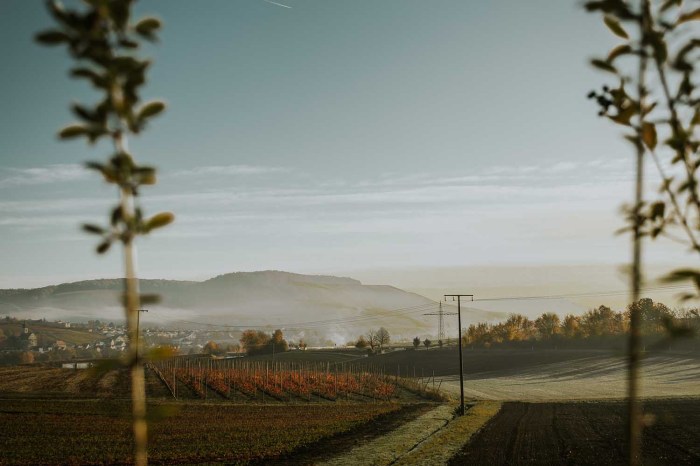
Picture this: a world where farmers don’t just grow food but also nurture the planet, all while rocking the latest in eco-chic overalls. Welcome to the realm of the Sustainable farming business, where every carrot has a conscience and every tomato tells a tale of green glory. In this captivating journey, we’ll explore how the principles of sustainable farming are revolutionizing agriculture, making it not just viable, but downright fabulous!
From crop rotation that keeps the soil smiling to organic farming that practically waves a flag of “no chemicals allowed!”—we’re diving into a treasure trove of techniques that are good for the Earth and, let’s face it, pretty good for our taste buds too. Plus, we’ll sprinkle in some tech magic that transforms farming into a futuristic adventure, ensuring that sustainability is not just a trend, but the new normal.
Sustainable Farming Practices
Sustainable farming is not just a buzzword; it’s an essential approach to agriculture that balances the need for food production with the health of our planet. It’s about growing crops and raising animals in a way that conserves resources, respects ecosystems, and promotes biodiversity. As we face challenges like climate change and dwindling natural resources, embracing sustainable practices is like giving Mother Nature a big, green hug.The principles of sustainable farming revolve around managing land, water, and energy in a way that minimizes environmental impact while maximizing productivity.
These practices are crucial in modern agriculture as they help combat deforestation, soil degradation, and water scarcity. Here are some key sustainable farming techniques:
Techniques in Sustainable Farming
Sustainable farming employs various techniques that work together like a well-choreographed dance at a barn party. These methods not only enhance productivity but also ensure that the land remains fertile for future generations.
- Crop Rotation: This technique involves alternating the types of crops grown in a particular area from season to season. It helps prevent soil depletion, manages pests and diseases, and improves soil fertility. Think of it as giving your soil a little variety in its diet!
- Organic Farming: By avoiding synthetic pesticides and fertilizers, organic farming fosters a healthy ecosystem. It boosts biodiversity and promotes natural pest control, allowing farmers to be friendly to both crops and critters. Plus, who doesn’t love food that’s grown without dubious chemicals?
- Agroforestry: Integrating trees and shrubs into crop and livestock systems can improve biodiversity, enhance soil quality, and reduce erosion. Imagine a farm that’s not just fields but also vibrant forests—nature’s way of saying, “I’ve got your back!”
- Permaculture: This holistic design philosophy mimics natural ecosystems, creating sustainable agricultural systems that are diverse, resilient, and self-sufficient. It’s like creating a mini paradise that provides for itself; who wouldn’t want to live there?
Role of Technology in Sustainable Farming
In the age of smartphones and smart homes, technology plays a pivotal role in enhancing sustainable farming practices. Innovative technologies enable farmers to optimize resources, monitor crop health, and increase yields while lowering environmental impact. Consider precision agriculture, which utilizes GPS and IoT devices to facilitate precise planting, watering, and fertilization techniques. This ensures that resources are used efficiently while minimizing waste.
Drones are also soaring above farms, providing aerial imagery that can identify areas needing attention—almost like having a friendly bird’s-eye view!Additionally, soil sensors help farmers monitor moisture levels and nutrient content. Imagine a futuristic farming robot that can tell you exactly when your carrots are thirsty or when your tomatoes need a little extra love. It’s like having a personal assistant for your garden!The integration of renewable energy sources, such as solar panels on barns and wind turbines, further supports sustainable practices by decreasing dependency on fossil fuels.
Farmers can harness nature’s power to work with nature, making agriculture not only productive but also eco-friendly.By blending traditional wisdom with cutting-edge technology, sustainable farming practices pave the way for a greener future, ensuring that we can feed the world without compromising the health of our planet. Now that’s what we call a win-win situation!
Financial Aspects of Sustainable Farming Businesses

Sustainable farming might sound like a picturesque scene of rolling green hills and grazing sheep, but let’s not kid ourselves; it’s also about balancing the books while keeping the environment happy. Financial health is crucial for any farming venture, and sustainable farming is no exception. As we dive into the financial aspects, we’ll explore accounting practices, payroll systems, and budgeting tips that’ll help keep your farm flourishing and your wallet from wilting.
Business Accounting Practices for Sustainable Farming
A solid accounting system is the backbone of any successful sustainable farming operation. This involves keeping track of expenses, revenues, and profits while also understanding the specific costs associated with sustainable practices. It’s essential to distinguish between traditional farming expenses and those unique to sustainability, such as eco-friendly certifications or organic fertilizers. Using accounting software tailored for agricultural businesses can simplify this process.
Here are some key points to consider:
- Track Input Costs: Monitor all expenditures, including seeds, organic pesticides, and labor. Knowing where your money goes helps in making informed decisions.
- Revenue Streams: Identify diverse income sources, such as crop sales, agritourism, and value-added products like jams or pickles. Multiple streams mean less financial stress.
- Grants and Incentives: Research available grants for sustainable practices. These can provide a financial cushion while transitioning to greener methods.
- Monitoring Cash Flow: Regular cash flow statements can help anticipate shortages, so you’re not left high and dry before harvest time.
“What you keep is what you earn!” – A wise farmer who loves his spreadsheets.
Payroll Systems Suitable for Sustainable Agriculture Operations
Now let’s talk payroll – the part of your business that makes sure your hard-working team is not just motivated by the prospect of feeding the earth, but also by their paychecks. A well-structured payroll system is crucial for attracting and retaining talent in sustainable farming.Consider these systems and practices:
- Time Tracking Software: Implementing a reliable time-tracking system ensures that employees are compensated fairly for their hard work while also helping you understand labor costs associated with different tasks.
- Seasonal Payroll Adjustments: Sustainable farming often involves seasonal work. Having a payroll system that accommodates fluctuations in workforce size can save you headaches and potential financial woes.
- Incentives for Sustainability: Consider offering bonuses for employees who contribute ideas for improving sustainability practices. It’s a great way to engage your team while enhancing your farm’s eco-friendliness.
“A happy employee is a productive employee – and they prefer cash over compliments!”
Budgeting and Financial Planning for Sustainable Farming Ventures
Budgeting in sustainable farming is like planting a seed – it requires careful planning to reap the rewards. Creating a robust budget allows you to allocate resources effectively and prepare for unexpected challenges.Here are some essential budgeting tips:
- Annual Budgeting: Prepare an annual budget that accounts for all expected costs and revenues. This helps in setting realistic financial goals.
- Variable vs. Fixed Costs: Distinguish between fixed costs (like equipment) and variable costs (like seeds and labor) to manage your cash flow better.
- Contingency Fund: Set aside a portion of your budget for emergencies or unexpected costs. It’s like having an insurance policy for your peace of mind.
- Review and Adjust Regularly: Financial planning isn’t a “set it and forget it” deal. Regularly review your budget and make adjustments based on market trends and farm performance.
“Failing to plan is planning to fail – and no one wants a failed crop!”
Marketing and Branding for Sustainable Agriculture
In the ever-evolving world of agriculture, where every seed sown is a statement of intent, marketing and branding are the sunshine and water that help sustainable farming businesses grow. Eco-conscious consumers are not just looking for food; they’re searching for a story, a purpose, and a connection to the earth. Hence, crafting a marketing strategy that resonates with their values is crucial for thriving in this green revolution.
Advertising Strategy for Eco-Conscious Consumers
Creating an effective advertising strategy for a sustainable farming business requires a blend of creativity and authenticity. Eco-conscious consumers appreciate transparency, so highlight the unique aspects of your farming practices. Here are key strategies to attract this conscientious crowd:
- Social Media Stardom: Utilize platforms like Instagram and TikTok to share vibrant photos and videos from the farm. Visual storytelling can turn your produce into a star, showcasing everything from farm-to-table meals to the cute chickens that provide organic eggs.
- Content Creation: Start a blog or a podcast discussing sustainable farming practices, recipes, and the importance of local produce. Share success stories that demonstrate the positive impact of sustainable agriculture on the environment and community.
- Eco-Friendly Partnerships: Collaborate with local businesses, farmers’ markets, and eco-friendly brands. Cross-promotions can expand your reach while reinforcing your commitment to sustainability.
- Customer Engagement: Create engaging campaigns that encourage customers to share their experiences with your products. A hashtag challenge could prompt users to post their delicious meals made with your veggies, fostering a sense of community.
- Transparency: Share your farming journey openly. Use labeling that details your sustainable practices and the benefits of your products. Eco-conscious consumers want to know where their food comes from—let them in on the journey!
Building a Strong Brand Emphasizing Sustainability
A brand isn’t just a logo; it’s the personality behind your business that resonates with your audience. To build a robust brand around sustainability, consider the following aspects:
- Consistent Messaging: Ensure that all your marketing materials convey a coherent message about sustainability. Whether it’s the packaging, your website, or social media posts, consistency helps reinforce your brand’s values.
- Sustainable Packaging: Use eco-friendly packaging solutions that reflect your brand’s commitment to the environment. Biodegradable, recyclable, or reusable packaging options can significantly enhance your brand image.
- Certifications: Obtain organic or other relevant certifications that authenticate your sustainable practices. Display these certifications proudly on your products and marketing materials.
- Community Involvement: Engage with local communities through events, workshops, or educational programs about sustainable farming. Your presence will help people associate your brand with positive environmental impact.
- Storytelling: Craft a compelling brand story that highlights your journey into sustainable farming. Share the challenges, triumphs, and the “why” behind your commitment to sustainability. Authentic stories create emotional connections.
Career Opportunities in the Sustainable Farming Sector
The sustainable farming sector is blossoming like a field of wildflowers, presenting various career opportunities for those passionate about the environment and agriculture. The skills needed for success in this field are as diverse as the crops grown. Here’s a glimpse into potential career paths:
- Farm Manager: Overseeing daily operations, farm managers need strong leadership and organizational skills while embracing sustainable practices. They ensure the farm runs smoothly and remains profitable.
- Agricultural Scientist: For those with a penchant for research, agricultural scientists study crops and soil health, developing innovative methods to enhance sustainability. Critical thinking and analytical skills are crucial here.
- Marketing Specialist: Focused on promoting sustainable products, marketing specialists must possess creativity and communication skills to effectively convey the brand’s story to potential customers.
- Food Policy Analyst: For those interested in the intersection of food, farming, and policy, this role involves researching and advocating for policies that support sustainable agriculture practices.
- Sustainable Agriculture Educator: Sharing knowledge is vital! Educators develop programs and workshops to teach others about sustainable practices, requiring strong communication skills and a passion for teaching.
“Sustainable agriculture is a path not just to cleaner produce but also to a healthier planet!”
Ultimate Conclusion
So there you have it, folks! The Sustainable farming business is not just about plowing fields; it’s about planting ideas for a better future. With smart financial strategies, snazzy marketing moves, and a commitment to the planet, farmers are stepping into a greener spotlight. As we bid adieu to conventional practices, let’s toast to the innovative spirits who are farming sustainably, proving that saving the world can be as tasty as a fresh garden salad!
Query Resolution
What is sustainable farming?
Sustainable farming is an agricultural approach that aims to meet current food needs without compromising future generations’ ability to meet theirs, focusing on eco-friendly practices and resource conservation.
How can technology improve sustainable farming?
Technology enhances sustainable farming through precision agriculture, data analytics, and automation, helping farmers optimize resources, reduce waste, and increase yields.
What are some common practices in sustainable farming?
Common practices include crop rotation, organic farming, cover cropping, and integrated pest management, all aimed at improving soil health and biodiversity.
Can sustainable farming be profitable?
Yes, sustainable farming can be profitable by reducing costs, increasing efficiency, and appealing to a growing market of eco-conscious consumers.
What skills are needed for a career in sustainable farming?
Skills in environmental science, business management, marketing, and agronomy are essential for success in the sustainable farming sector.


